
What equipment is needed to ensure the safety of canoeing
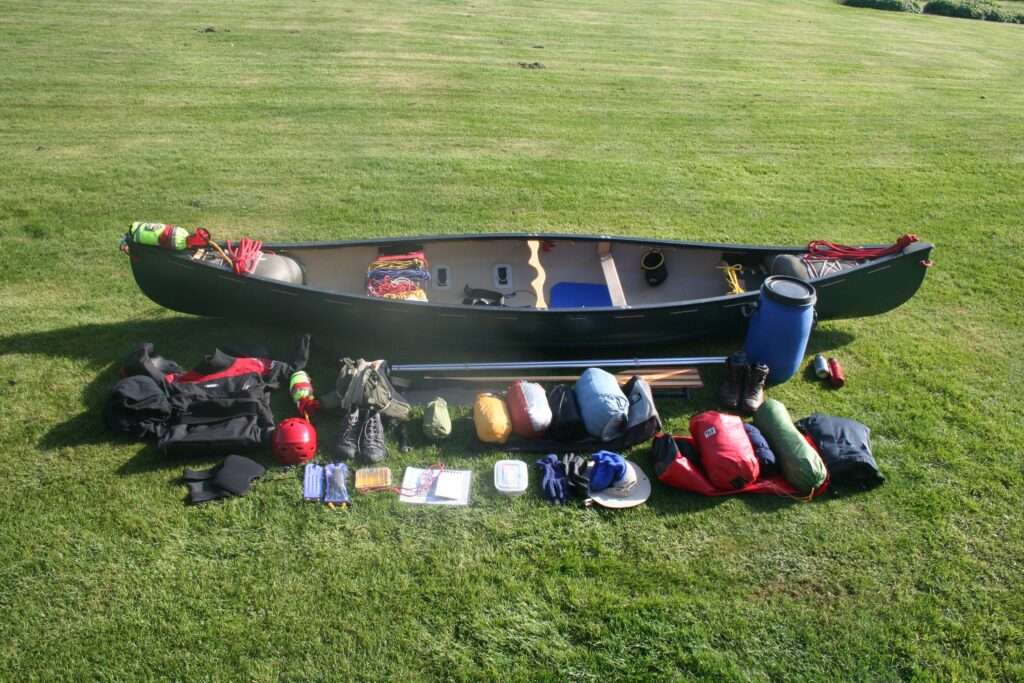
Ahoy, fellow adventurer! So, you’re ready to embark on a canoeing journey? That’s fantastic! But before you paddle out, let’s chat about the essential safety equipment you’ll need. After all, being prepared isn’t just about ensuring a good time—it’s about ensuring you come back with all your tales of adventure intact!
Personal Flotation Device (PFD) or Life Jacket
This is non-negotiable. A PFD is designed to keep you afloat should you capsize. Ensure it’s the right fit, comfortable, and approved by the relevant safety authorities.
Helmet
If you’re canoeing in whitewater or areas with rapids, a helmet is crucial. It protects your head from potential impacts with rocks, the canoe, or other obstacles.
Whistle
A whistle can be a lifesaver, especially if you need to signal for help. It’s loud, can be heard from a distance, and doesn’t require batteries.
Throw Bag or Rope
This is a bag filled with buoyant rope. If someone falls overboard, you can throw the bag to them, allowing them to grab the rope and be pulled to safety.
Bilge Pump or Bailing Device
This helps remove water from the canoe. Even if you don’t capsize, water can still get in, especially in choppy conditions.
Paddle Float
This device can be attached to a paddle to create an outrigger, helping you stabilize the canoe if you capsize.
Spare Paddle
It’s always a good idea to have an extra paddle. If you lose or break one, you won’t be left stranded.
Dry Bag
Keep your essentials—like food, first aid kit, and communication devices—dry and safe. A dry bag is waterproof and will ensure your items remain unaffected, even if submerged.
First Aid Kit
Accidents can happen. A well-stocked first aid kit can treat minor injuries and stabilize more serious ones until help arrives.
Navigation Tools
Depending on where you’re canoeing, consider carrying a waterproof map, compass, or GPS. It’s easy to get disoriented, especially in large bodies of water or winding rivers.
Flashlight or Headlamp with Extra Batteries
If you’re out longer than expected or decide to camp overnight, a light source is essential. Ensure it’s waterproof and always carry extra batteries.
Sun Protection
This includes sunscreen, sunglasses with UV protection, and a wide-brimmed hat. Even on cloudy days, UV rays can be harmful.
Clothing
Wear appropriate clothing for the conditions. This might include a wetsuit or drysuit in colder waters, and always dress in layers. Remember, cotton gets cold when wet, so opt for synthetic materials.
Conclusion
Canoeing is a delightful way to connect with nature, but safety should always be a priority. Equip yourself with the right gear, be aware of your surroundings, and always inform someone of your plans before heading out. Here’s to safe and memorable canoeing adventures! 🛶🌊